Ethnography
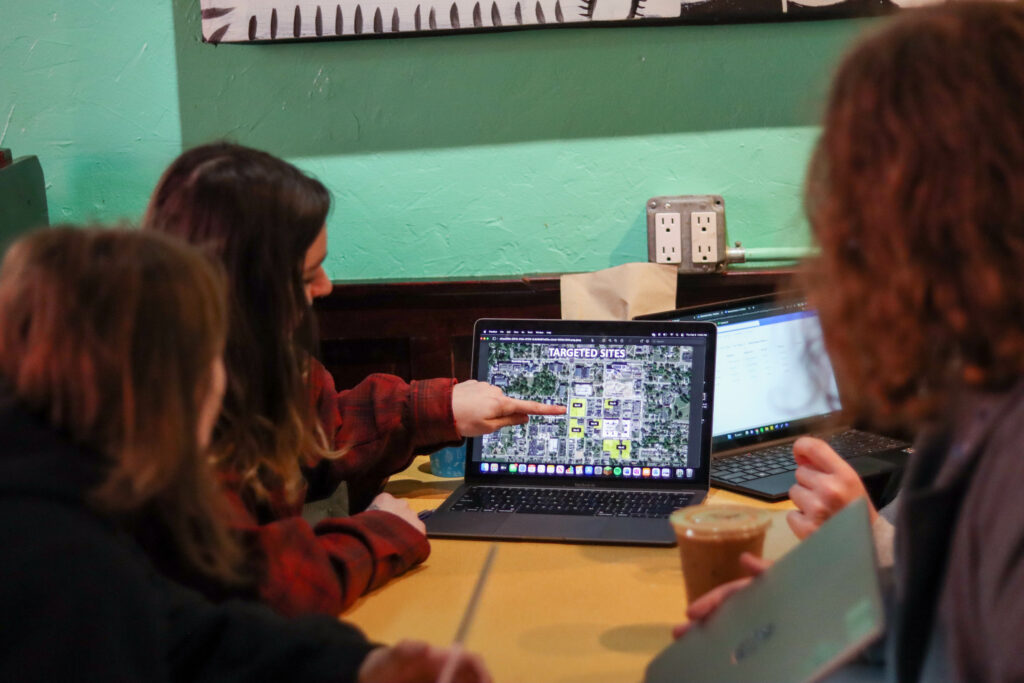
Ethnography is a qualitative research method used to study and describe the lives, cultures, and practices of people and communities. Ethnography includes many different methods such as participant observation, interviews, and ethnographic records. This class followed the guidelines and methods of ethnography in order to gather information on people’s experiences with the village, as well as the physical features of the Village itself.
Multi-modal Anthropology
Multi-modal anthropology uses various mediums to convey their findings to the public (read more about public anthropology in Public Anthropology & Zines). Photos, videos, sound recordings, drawings, film, performance, and websites are all common products of multi-modal anthropology. It is difficult to convey the complex aspects of human life through ethnographic records, and it limits the amount of people who have access to that information. Accessibility is a priority, and multi-modal anthropology makes an effort to be as accessible as possible. Our class designed zines, made this website, and collected new and archived photos in order to share our findings with the world and the people which the Village Revitalization Project may affect.
Participant Observation
Participant observation is a way of studying people by joining in their daily activities and watching what they do. Instead of just asking questions or reading about a group of people, the anthropologist spends time with the group, takes part in their routines, and learns about their behavior and culture from the inside. It helps them understand things in a natural and real-life setting.
Many people think participant observation simply means being present and taking notes. In reality, it is a complex method that involves different levels of involvement, careful planning, and ethical considerations. It’s also assumed that participant observation captures evsearcher’s perspective and the practical limits of what can be recorded
Scanathon
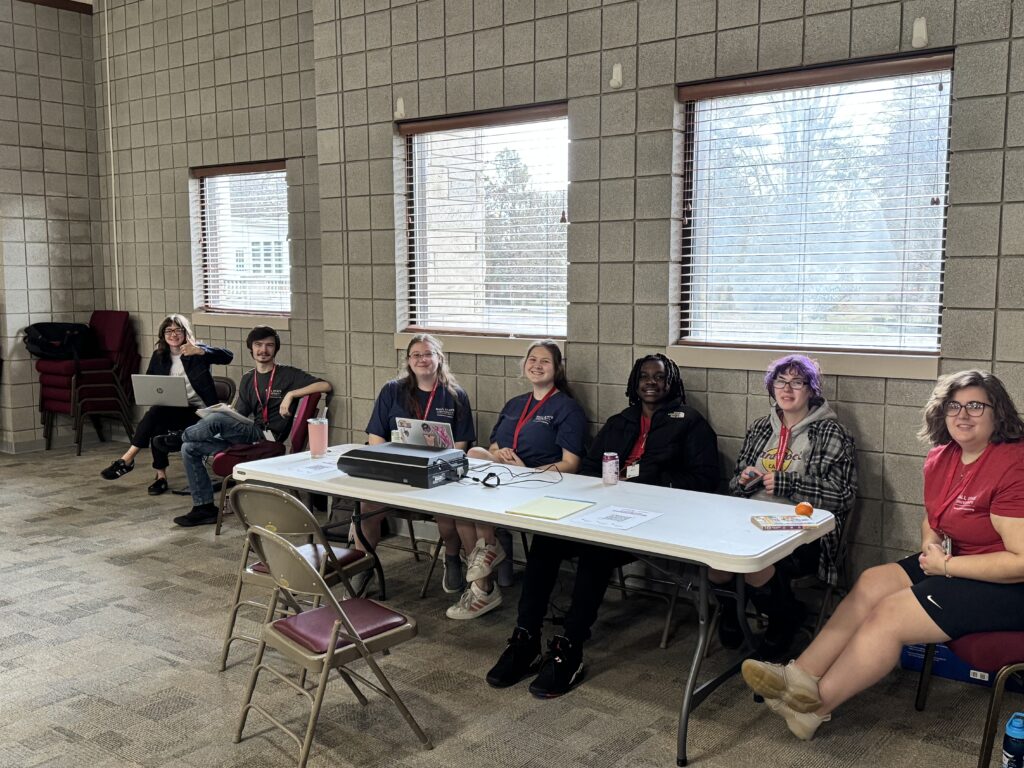
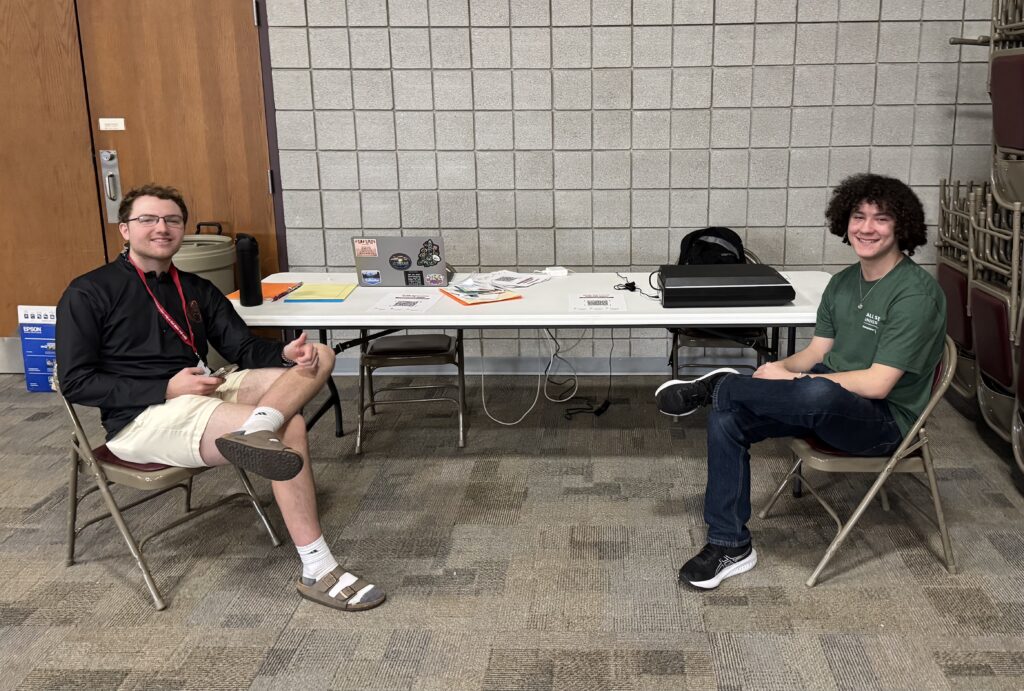
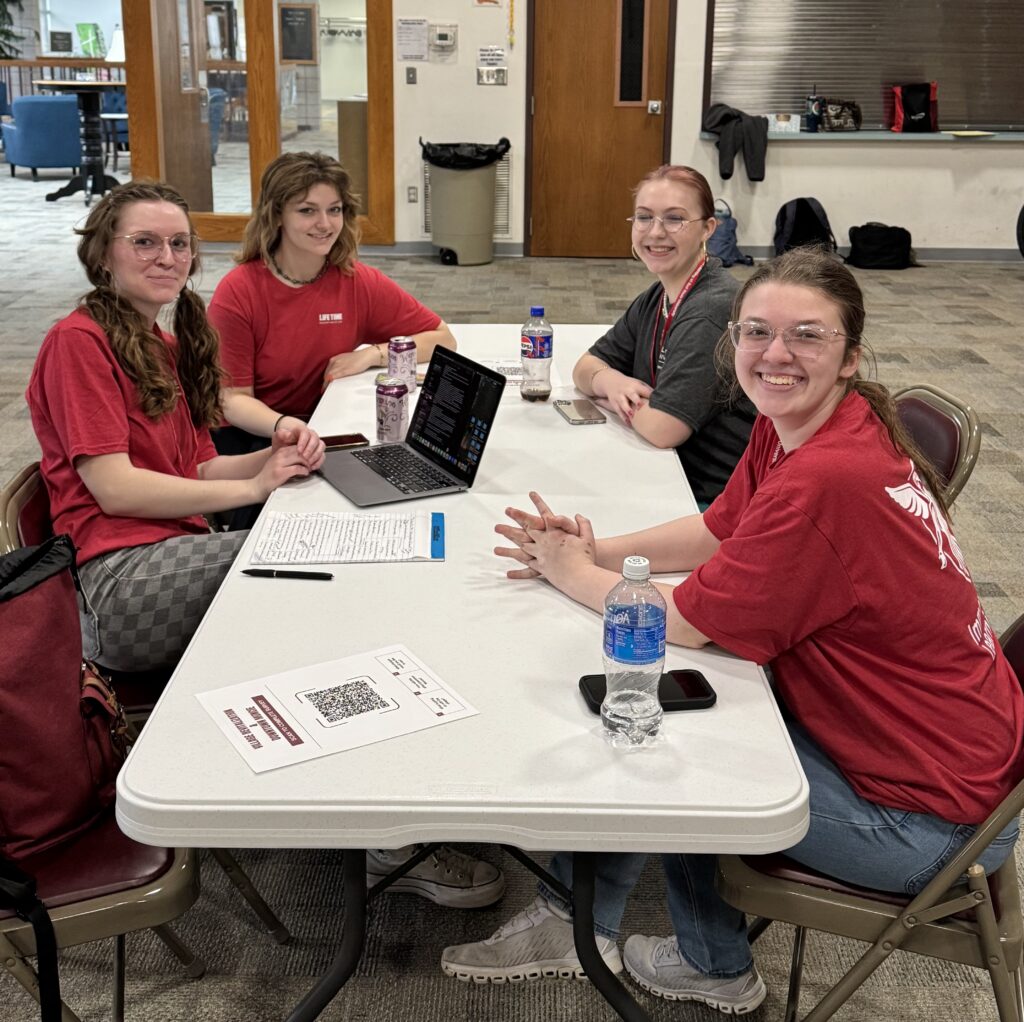
The scanathon was an event held by the Scanathon team where community members were invited to bring in their photos of The Village. We advertised the event in the Muncie Star Press newspaper, digitally on social media pages, and via flyers in The Village. Erickson and two students also attended a Muncie community meeting to announcement the event. Our team brought scanners so we could digitize people’s photos onto into our files. Though attendance was poor (no attendees), we still collected images from other sources and gathered lots of information on the history of The Village.
Coding
Most of the interviews conducted were with Ball State alumi, current students, and Muncie locals. Although we reached out, no Village business owners could be interviewed due to a refusal to participate or a lack of reply. With the interviews we did receive, we began to code in order to analyze the data. Coding was majorily done by the Scanathon group. Our team read through each interview, sentence by sentence, and picked out words that relate to each person’s village attendance, their favorite and least favorite places, who they go to the village with, their thoughts on the revitalization, and overall their feeling toward the village space. Coding will help our class pin-point different objectives of the Village from its patrons and residents.
Examples of Coding:
With each interview, there were mass codes, such as Ball State/ Muncie; then, going line by line in all interviews, the coding team would see what statements, phrases, thoughts, or feelings aligned with the mass code of Ball State/ Muncie, some things that aligned with it were, Typical college town, Students + Faculty will benefit, Munice residents will be left out, Muncie does not care, student nightlife. Notice that all these mentioned above are both positive and Negative, but all were related to the mass code of Ball State/Muncie
Another mass code that yielded many good results was the mass code of uses, which was broken down even further into for and not for. The general trend for uses under the for category includes students on and off campus, students over 21, and friends/family. Common trends from the interviewees on who The Village is not for showed common trends of older people, those younger than 21 ( during certain times of the day), lower-income individuals, and actual permanent Muncie locals.
Archival Research
Archival data and secondary data is data collected for research, government, education, and service purposes that are available to researchers in a raw data format. They are typically stored in their original, unanalyzed sampling frames. Researchers, such as ourselves, can access this data to make our own interpretations. We used qualitative (company names, images) and quantitative data (addresses, years of operation) to create our Storymap. Our primary sources were street directories, which provided names, addresses, and years of companies and businesses in the Village. We then searched various image databases with the information from the directories to find photographs of the businesses we needed.